
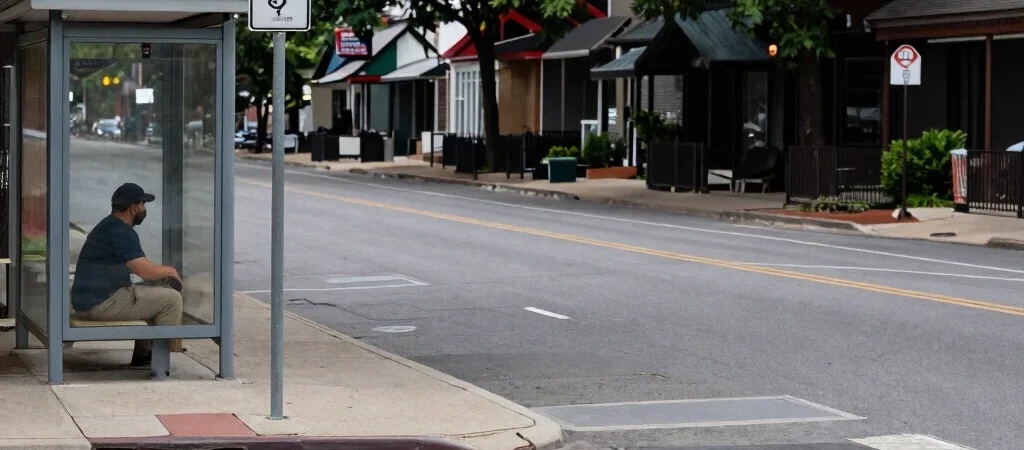
At a bus stop, the wait is part of the journey. On a hot afternoon, a bare pole beside a wide road offers little relief; in rain, the same patch of pavement becomes a place to stand and watch the street. A sign marks the stop, but the experience depends on everything around it.
The wait is part of travel
Transit conversations often focus on routes and schedules, for good reason. Yet passengers encounter the system first at the stop, where shade, seating, lighting, and a clear place to wait can make a practical difference. These details matter especially when a trip includes a child, a mobility aid, groceries, or a long connection.
Conditions vary sharply across the country. A shelter that helps during a wet winter in Seattle may not solve the heat exposure of a Phoenix summer, and snow clearance can matter as much as a bench in a colder city. Good stop design starts with local weather and the people who use that location, rather than treating every stop as the same piece of pavement.
Small features, real trade-offs
A shelter can offer shade and rain cover, but it needs a suitable place to stand and ongoing maintenance. A bench helps some riders rest, while a clear boarding area and accessible path are essential for others. Lighting can make an evening stop easier to navigate, but it should be planned with the surrounding street rather than added as an isolated fixture.
There are real constraints: narrow sidewalks, underground utilities, property boundaries, and limited agency budgets can all affect what fits. That is not a reason to settle for a sign and nothing else. It is a reason to make priorities visible—starting with safe access, weather protection where feasible, and information a rider can read before the bus arrives.
Read the stop as a signal
The next time you wait for a bus, notice whether the stop gives you somewhere to stand clear of foot traffic, a way to check the route, and some protection from the conditions outside. Then consider who might find the same stop difficult: a person using a wheelchair, an older rider, or someone traveling after dark. That quick inventory makes the design problem concrete.
A better bus stop cannot repair an unreliable route or replace frequent service. It can, however, make the public part of transit feel more usable and considered. The sign tells you that a bus may come; the rest of the stop tells you whether the city has thought about the person waiting.